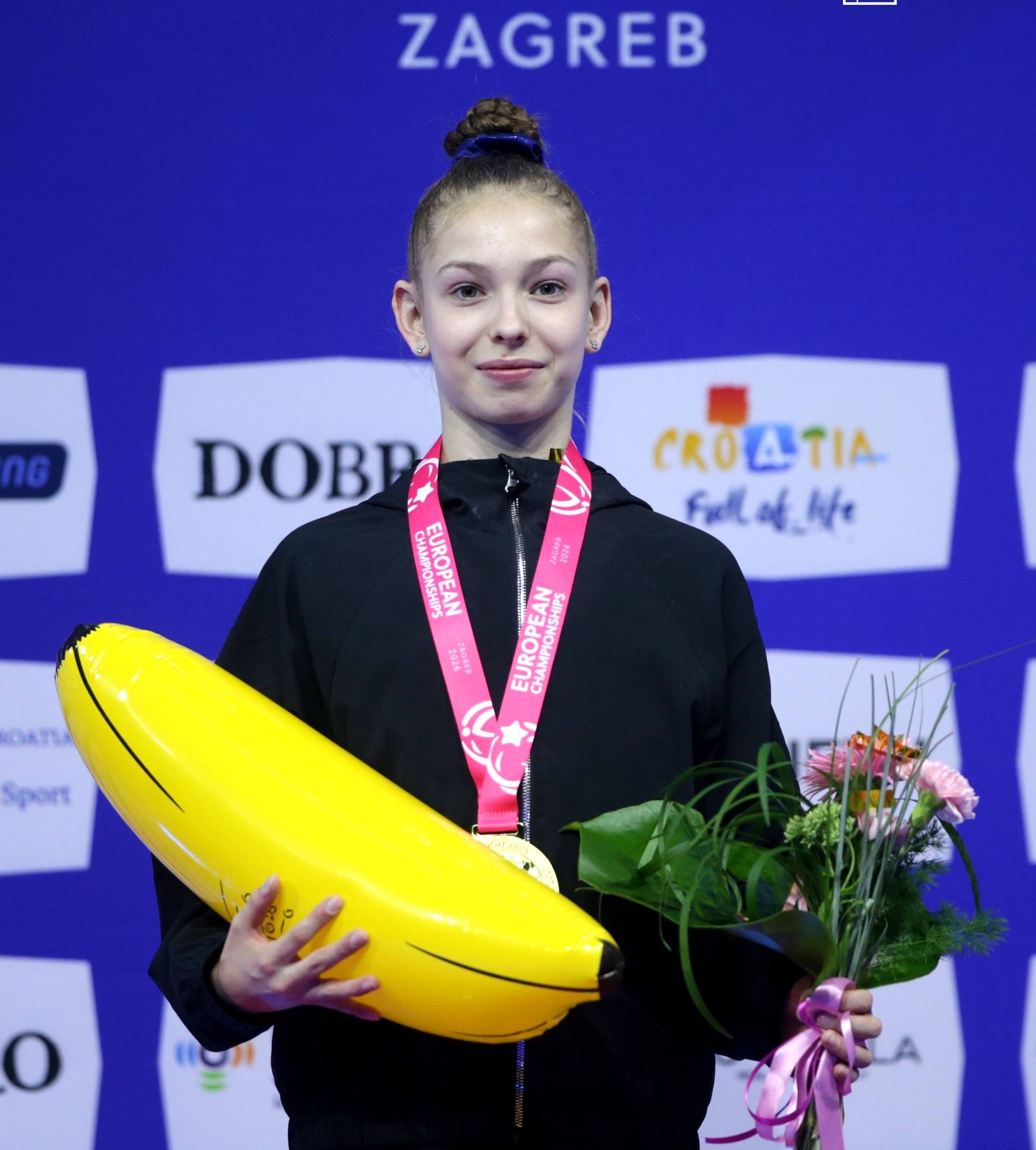
At the 2026 European Championships newcomer Aleksandra Andrianova took the All-Around (AA) gold medal in the junior level competition. This gymnast has an interesting backstory because of her family legacy. While gymnastics has experienced plenty of family combinations involving parents and their children or siblings both having athletic success in high level gymnastics, Andrianova is unique because she is the grandchild of a famous set of Olympians. Until now there hasn’t been a major example of a 3rd-generation family relation between a pair of high level gymnasts.
For that reason alone Aleksandra Andrianova is the first of her kind. But she is unique for a second reason. That being, women’s gymnastics has never had a gymnast with so many Olympic medals in her family history. Andrianova’s grandparents combine for 17 Olympic medals, five Olympic appearances, and won a gold medal in every Olympics from 1968 to 1980. To put that in perspective they have more Olympic medals than the combined careers of Nadia Comaneci and Svetlana Khorkina.
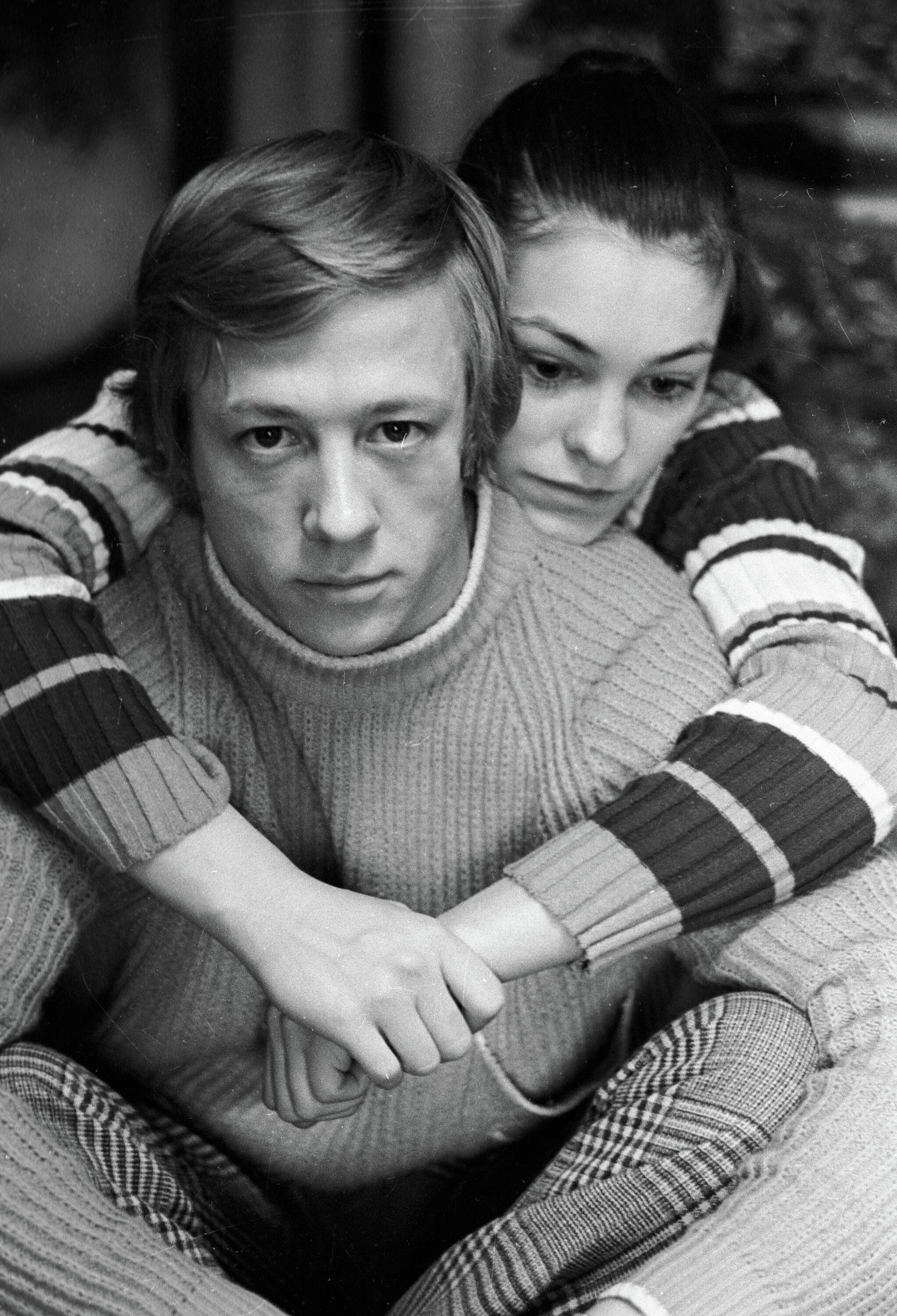
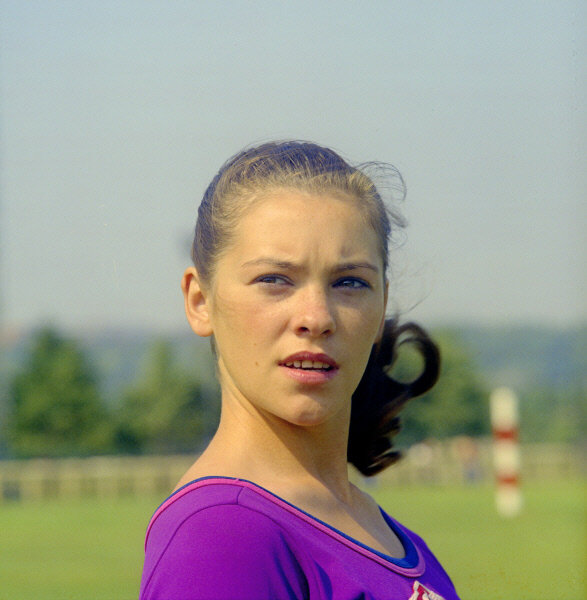
The grandparents in question are Soviet gymnasts Nikolai Andrianov and Lyubov Burda. But it is Nikolai who won 15 of 17 Olympic medals while Lyubov won “only” 2 of those Olympic medals. Nowadays this disparity leaves that impression that Andrianov was the super successful one while Lyubov Burda achieved only a moderate amount of success relative to her contemporaries.
This article is my attempt to change that impression and give Burda recognition for being one of those gymnasts where her official medal count doesn’t tell the full story. If anything, she was one of the most impactful gymnasts the sport has ever had.
1) She still has an eponymous skill in the Code of Points
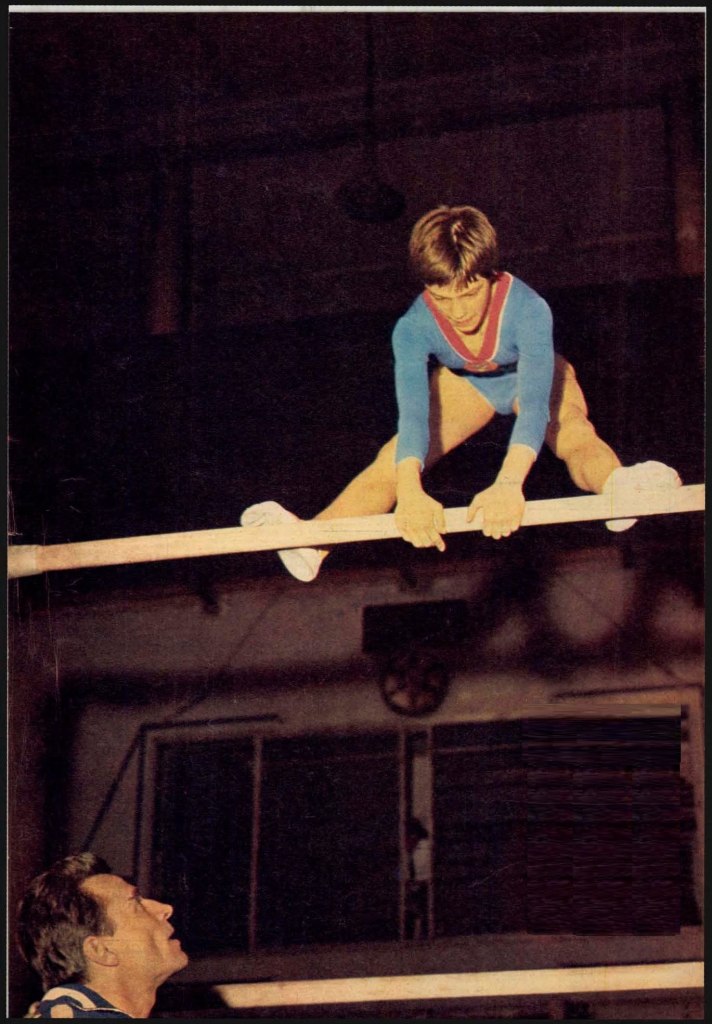
Lyubov Burda introduced her two named skills in 1967 Soviet domestic competition before ultimately performing them in the 1968 Olympics. With one of these skills still being in the Code of Points (COP) for the 2028 Olympics, the skill has lasted 60 years in the COP. Even though Burda’s skills are now dormant despite one of them still being in the COP, few skills from the time period lasted as long as the “Burda Twirl.”
Soviet gymnast Svetlana Baitova used it to help her team win gold during team finals of the 1988 Olympics. The skill was even performed by Elena Zamolodchikova, an Olympic gold medal winning gymnast who competed the majority of her career in the 21st century.
The longevity of such a skill is staggering considering some of the most recognizable uneven bars skills from the 1970s did not maintain such relevancy into the 1980s, but a skill from the 1960s did. This was also a skill from an era where the uneven bars were the same piece of equipment as men’s parallel with different settings. But it continued to live on into an era where the apparatus was redesigned to be its own unique piece of equipment.
Burda was the most talked about “trickster” of the 1960s introducing acrobatic elements that made the audience gasp. She was most notable for doing it on the uneven bars where she had two eponymous skills in one 30 second routine. If this sounds an awful lot like what Olga Korbut achieved at the 1972 Olympics, that is exactly the point. Burda was the Olga Korbut before Olga Korbut.
The respective careers of Olga Korbut and Nadia Comaneci were both the result of major transformations in the late 1960s that laid the foundation for what would ultimately become an era of rapid change and development in the 1970s. Korbut is best known for introducing revolutionary routines and making them popular at the 1972 Olympics. Even though it is Korbut who deserves the lion’s share of the credit for her work in bringing women’s gymnastics into a new era, Lyubov Burda was the critical precursor that Korbut later built on.
2) She changed the narrative
Lyubov didn’t just change the physical direct of the sport, she also helped change how the sport was talked about. One of the most revolutionary moments in men’s gymnastics was the development of the Iron Cross in the 1950s. But back then such recognition, praise, and attention to detail regarding the development of eponymous skills only occurred on the men’s side of the sport.
Media coverage of Larissa Latynina and Vera Caslavska centered around how many medals they won and how they overcame difficult circumstances to win them. Discussion of eponymous skills and how they contributed to the athletic growth of the sport was not a major topic. If a gymnast was going to be profiled by the media, the medals she won, the injuries she overcame and even her family life were the dominant topics.
Lyubov Burda was a major figure in changing that mentality. It was with Burda that eponymous skills became a central point of focus in how the media covered a female gymnast. The primary impact of Burda’s 1967 uneven bars routine was it provoked strong reactions from the audience which inspired the media to give more dedicated coverage to the topic of eponymous skills. But the secondary impact was Burda’s skills were popular and many of the top gymnasts in the sport quickly adopted her named skills.
For a time “Burda” was one of the most commonly mentioned words in the vocabulary of the sport as competition reports were filled with notations of gymnasts performing the “Burda Twirl” and “Burda Pinwheel.” She is the earliest example of a Hall of Fame gymnast who had a “Natalia Yurchenko-style” career where a gymnast is more famous within the sport for her named skills than her medal count.
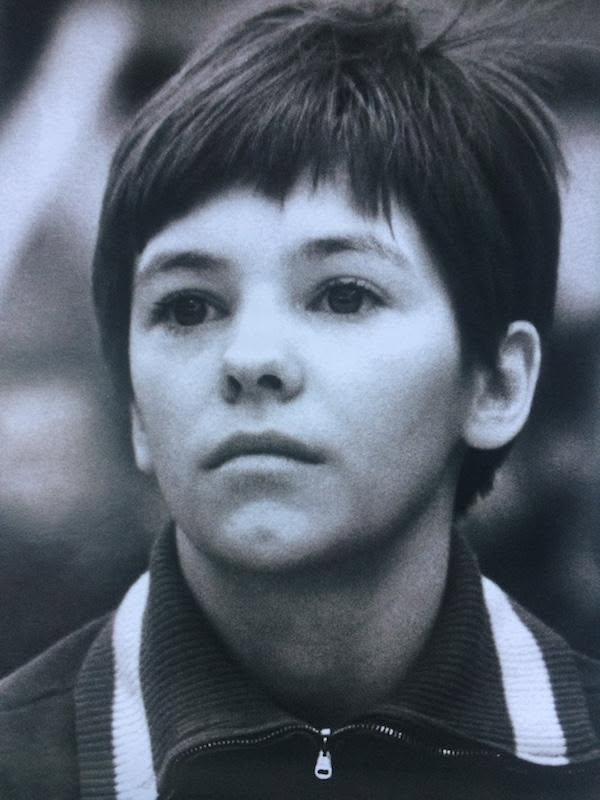
3) She helped usher in the era of child gymnasts
Earlier it was said the Lyubov Burda laid the groundwork for Nadia Comaneci, and the reason is Lyubov’s impact on age trends. It is actually a gymnastics myth that the rise of child gymnasts started with a 14 year old Nadia Comaneci crashing onto the scene at the 1976 Olympics. The era where women’s gymnastics witnessed its most extreme decline in age was not the 1970s, it was actually the period from 1965-1968 by a very wide margin.
The 1964 season was an Olympic year, but in a follow up competition held a few months later the All-Around silver medalist from those Olympics was defeated by a 15 year by the name of Larissa Petrik. The result sent shockwaves throughout the sport with programs all over the world jettisoning their aging veterans and replacing them with teenagers hoping to find the next Larissa Petrik. Within two years the Soviet program was led by a quartet of teenagers, three of which were Petrik and two other gymnasts with the same birth year.
By the time Lyubov Burda came of age in 1967 it was already apparent that the balance of power was evolving. No one could deny that teenagers and child athletes were the new source of power within the sport, the only question was how long before the evolution would be complete? How long until these new young gymnasts would account for every single spot on the national team and put the aging veterans out in the cold?
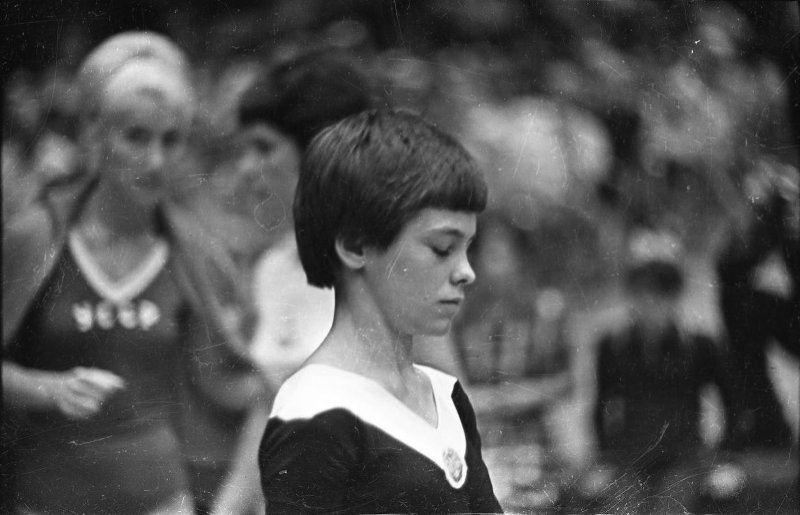
In 1967 Lyubov Burda provided the answer to that question.
One unique element of the Soviet gymnastics program is the country had an internal Olympics held once every four years called a “Spartakiade.” The last Spartakiade occurred in 1963 and the three AA medalists had an average age of 29 years old. The next Spartakiade was in 1967 and the gold went to an 18 year old, silver went to a 17 year old, and a 30 year old Polina Astakhova would have won the final bronze medal, but a 14 year old Burda swooped in took 3rd place instead.
Lyubov Burda was only 3 months past her 14th birthday and in one of the most high profile competitions of the Olympic cycle she had not only won a medal as a newcomer, but played a part in cutting the average age of the AA podium in half, dropping from 29 years old in 1963 to only 16 years old in 1967. Not only did Burda defeat Astakhova in the AA, she also defeated Astakhova on her her best event, the uneven bars.
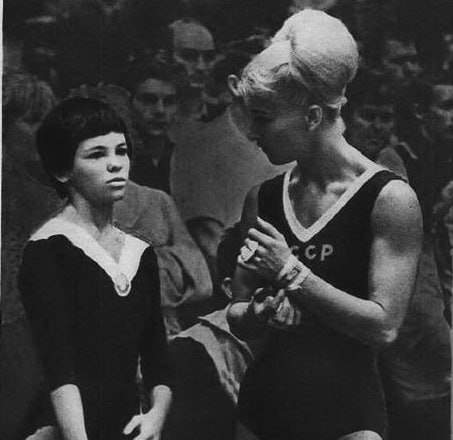
Polina Astakhova (1960 & 1964), Svetlana Khorkina (1996 & 2000) and Aliya Mustafina (2012 & 2016) are the only gymnasts to be 2x Olympic gold medalists on the uneven bars. One of the greatest bars workers in history lost her win streak to a young Burda.
For Soviet gymnastics it was the end of an era.
When Polina Astakhova competed at the 1967 Spartakiade, she did so with the weight of 40 years of Soviet history on her back. She was the last remaining gymnast on the national team with any links to the pre-Petrik era. Going back to the 1920s the Soviet women’s program had always been a program that empowered older gymnasts. To be 25 years old in the program meant your career wasn’t ending, if you were good enough the best days of your career were only just beginning. It was common for gymnasts to have success well into their 30s. At one point in the 1950s the Soviets had four gymnasts aged 34 or older on their national team and two of them went to the Olympics.
Petrik’s victory in 1964 was the first indication that those days were coming to an end, but Burda’s success in 1967 was the somber moment that that era truly had ended. Burda’s performance ended Astakhova’s career and there would never again be a gymnast over the age of 24 have any meaningful role in the Soviet women’s program. The last great Soviet gymnast of the old guard won 10 Olympic medals in her storied career, only to have it end in defeat to a 14 year old who was half her age. The revolution Petrik had started ended with Lyubov Burda delivering the coup de grace.
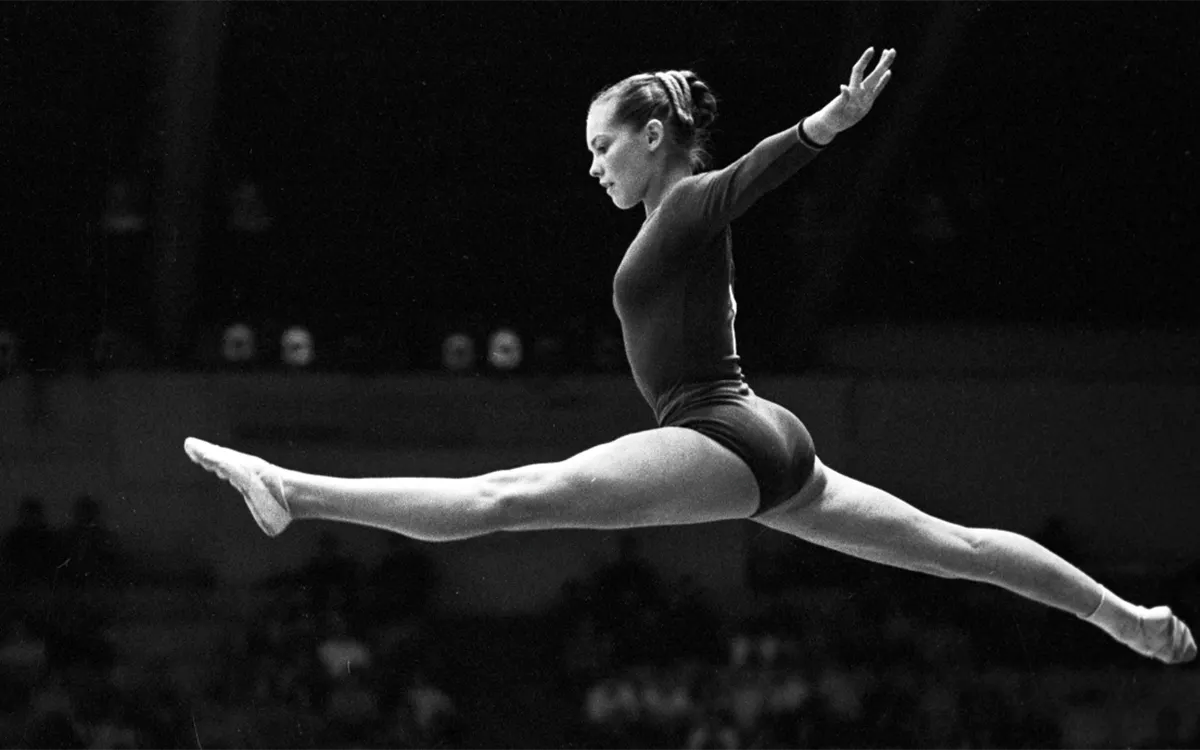
4) Privilege is what made her significant
Lyubov Burda competed for the most dominant program in women’s gymnastics and within that program she competed for Spartak Voronezh, the most successful Soviet club of the 1960s. It was the WOGA, the World Champions Centre, the Brixia, the Avoine-Beaumont of its day.
Doris Fuchs can rightfully say her uneven bars routines at the 1966 World Championships made her an earlier pioneer. Erika Zuchold can claim similar credit for her 1964 beam routine. Larissa Petrik and Natalia Kuchinskaya can say they were the dominant driving force in pivoting the sport into the little girl era. They can all claim superiority over Burda.
But Burda had the benefit of being the gymnast from the most influential club of the day. By virtue of who her coach was, if Burda wanted to be innovative, the rest of the sport was going to be inspired by her example regardless of equally valid contributions being made elsewhere. Lyubov Burda was on the forefront of change not just because she was more revolutionary than other gymnasts, but because change is quicker and more impactful when the most influential institutions are the ones embracing it.
Women’s gymnastics didn’t just need innovative gymnasts, the sport needed innovative gymnasts from the right clubs which was a void Burda filled.
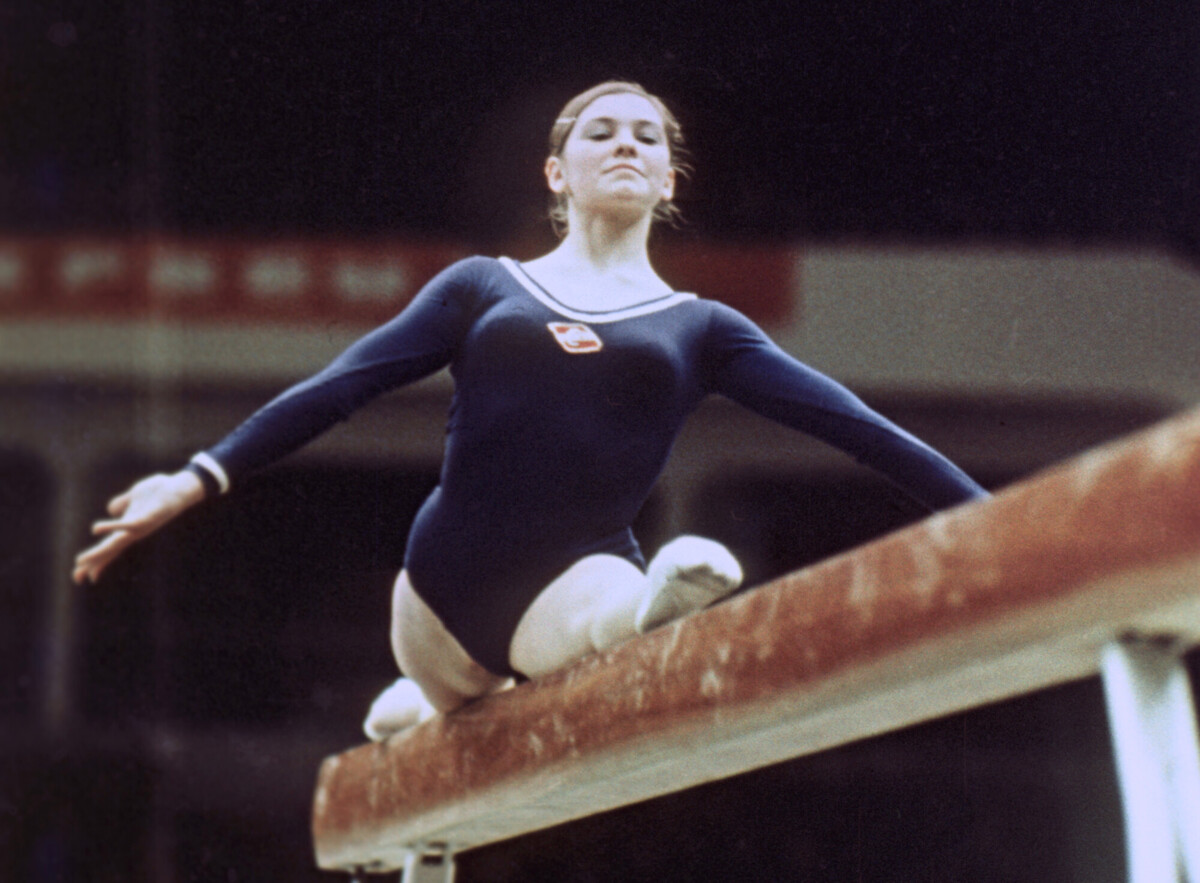
As far as the sport was concerned Burda’s success was another repeat of Petrik-1964. Once again the bar had been lowered, for a sport coming to terms with the new reality that 15 year olds were competitive, now 14 year olds were knocking off Olympic veterans.
The mastermind behind it all was the top coach of Spartak Voronezh, Yuri Shtukman. Burda had actually been a relatively new student of Shtukman when she achieved her breakout success in 1967. This added to the significance of Burda’s 1967 success. Burda was the direct result of a coach reacting to the 1964 Petrik victory by finding a child prodigy of his own. Proving that the coaches who immediately invested in the new trend of child athletes would be victorious and the coaches who didn’t were in danger.
The merger 2.5 year turnaround time in between Petrik’s 1964 victory and the emergence of a new youngster who had been embraced by a top coach only after Petrik’s success, effectively making her a 2nd generation arrival to the little girl era, is the ultimate example of how impactful Petrik’s 1964 victory actually was. In only 2.5 years the entire pre-Petrik Soviet lineup had been wiped out. But it is only Burda who has been inducted into the Hall of Fame while Petrik is not.
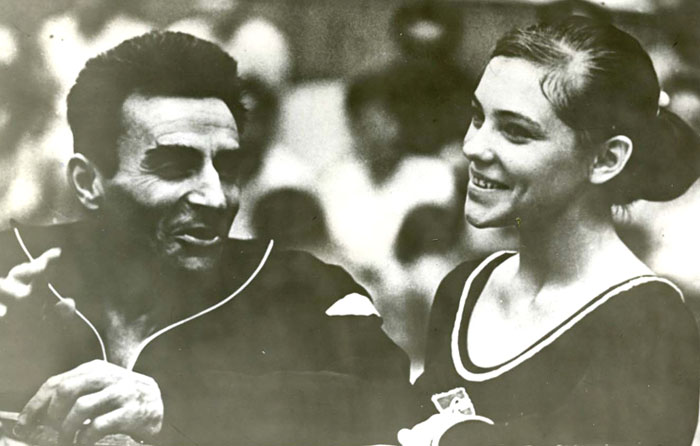
As for Yuri Shtukman, the man was a genius. After producing an Olympian at both the 1960 and 1964 Olympics, while also having an All-Around medalist at the only World Championships of the Olympic cycle, he decided to perform a massive overhaul to his coaching strategy. And for maximum shock value, he unleashed a new gymnast who was younger than any other competitor, doing a completely new style of routines, and debuted her at one of the biggest competitions of the Olympic cycle to give a young Burda as big of a reputation boost a new gymnast could ever receive.
The tactic worked and Burda helped Yuri Shtukman continue his Olympic streak for another two Olympic cycles. But he unexpectedly passed away in 1977 and Spartak Voronezh imploded in his absence. One of the Spartak Voronezh refugees who was forced to switch gyms was Elena Davydova, the 1980 Olympic AA Champion. Spartak Voronezh achieved another run of success in the 1980s with the gym now led by Shtukman’s wife, Rima Alexandrova, but the success didn’t last long term.
Voronezh remains a powerhouse city for Russian gymnastics due to the leftover remnants of the old program. Viktoria Komova is the daughter of a Spartak Voronezh gymnast who was coached by Rima, and Angelina Melnikova was coached by the husband of another Spartak Voronezh gymnast who was also coached by Rima.
5) The gymnast cursed by depth
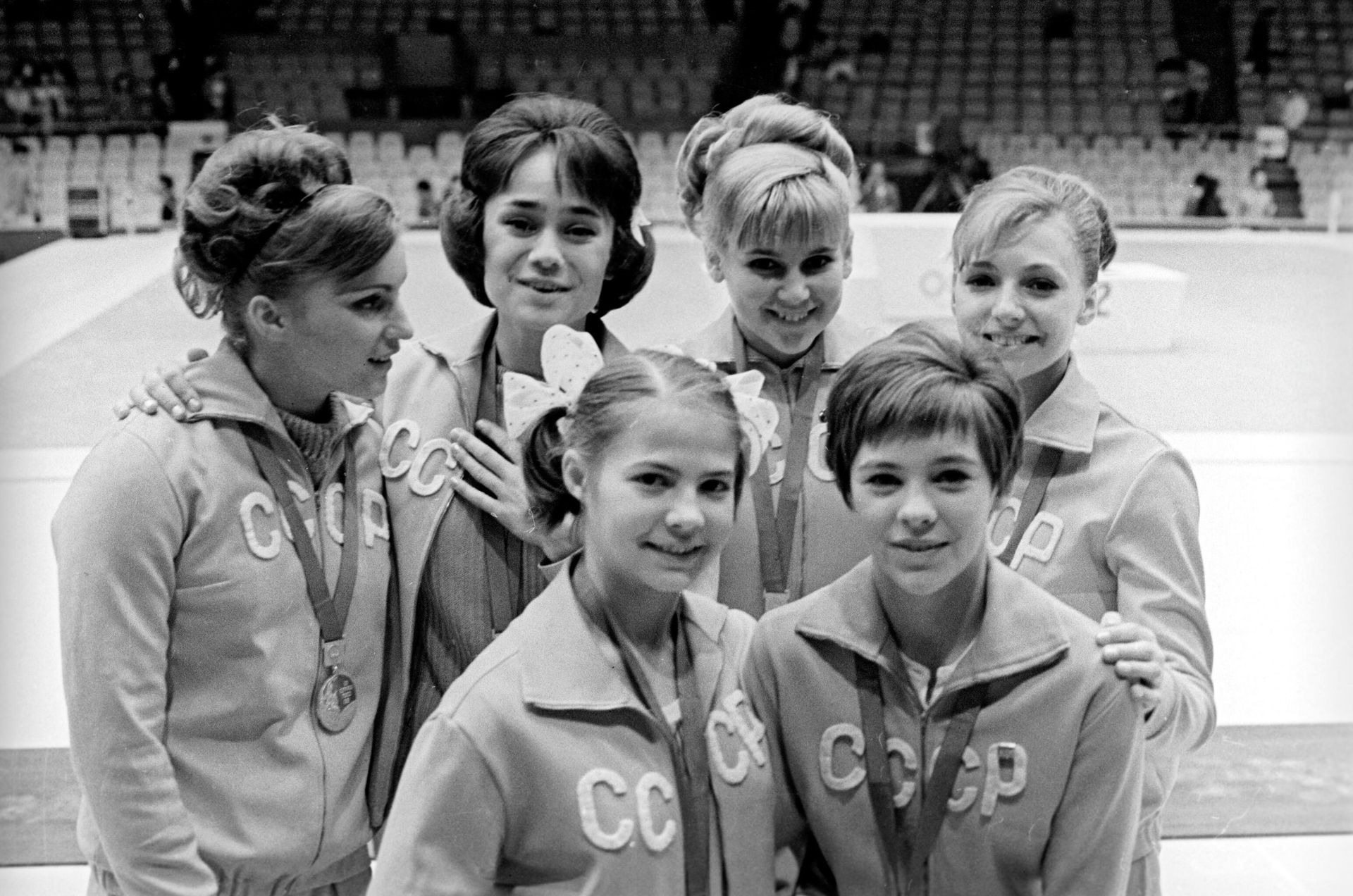
Burda once said “I wasn’t particularly lucky with the timing of my birth, there were simply too many exceptional gymnasts competing during my era” and her argument is completely backed up by statistics. At the 1970 World Championships Lyubov Burda finished 5th in the All-Around, the four gymnasts above her respectively had 9, 5, 4, and 7 career Olympic medals. They combined for 25 Olympic medals, an average of 6.25 Olympic medals per gymnast in a sport where only 6 medals were awarded in a single Olympics.
Because the World Championships were held only once every four years, that was the only World Championships of Burda’s career. The exact same scenario repeated itself at the 1972 Olympics. Once again Burda took 5th in the All-Around, the four gymnasts ahead of her had 9, 7, 4, and 5 career Olympic medals for the same statistic of 25 total medals. And one of them wasn’t even the same gymnast who had beaten Burda in 1970.
At the European Championships it was even worse. There was no Junior European Championships back then, no team competition, and the European Championships were held only once every two years with just two spots available for each program. Only the very best of the Soviet program were allowed to compete at the European Championships in this era.
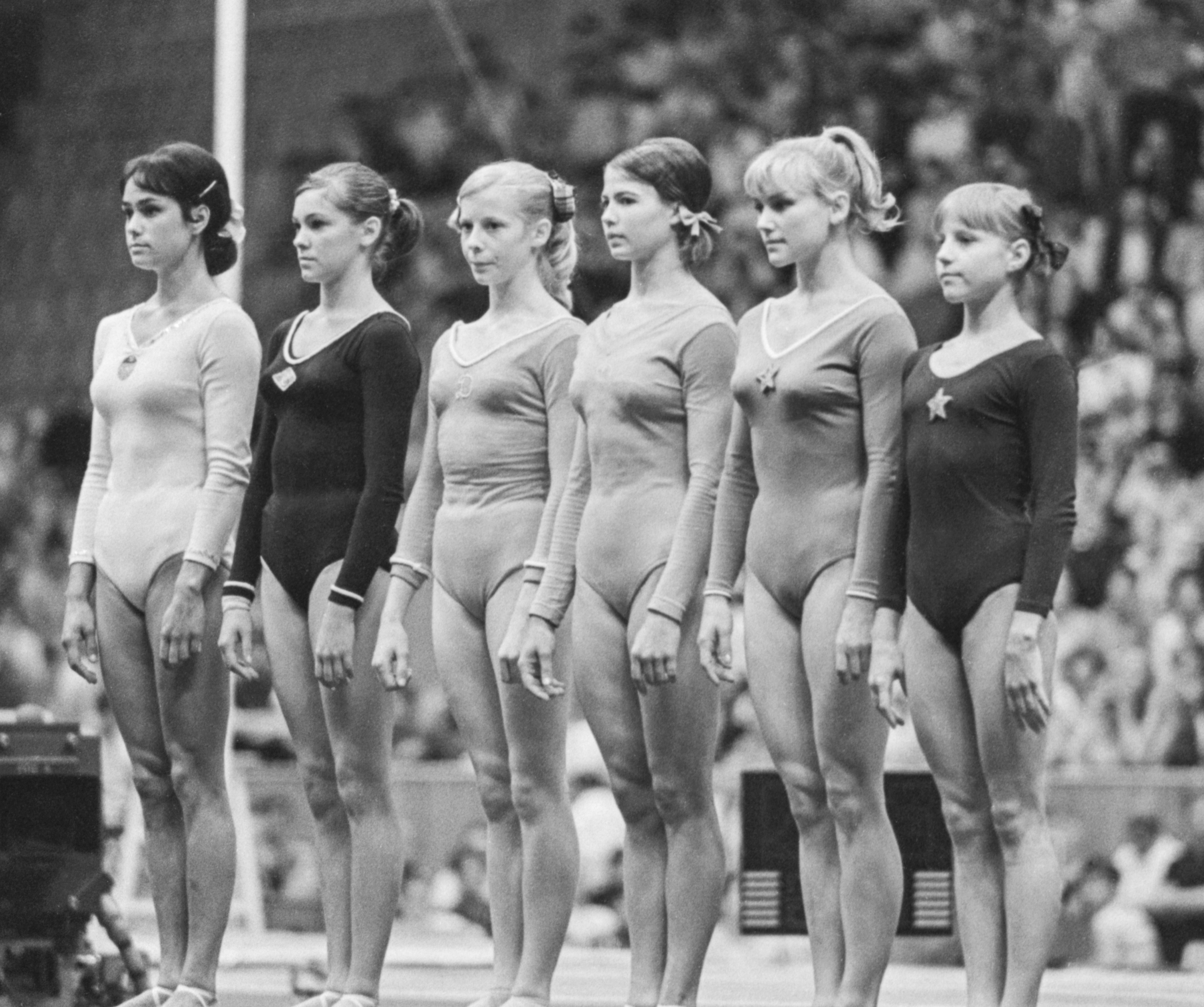
From 1957 to 1975 the Soviets used only 18 quota spots for the European Championships. Of those 18 spots, 16 went to gymnasts who won at least 4 medals in a single Olympics, another went to a gymnast who won “only” 3 medals in a single Olympics, and the last went to a gymnast who won a medal on every event in her lone appearance at the European Championships.
That was the insane depth Lyubov Burda was dealing with. Burda is the weird case of an “undefeated loser” where she didn’t win many medals while simultaneously beating every single gymnast who wasn’t at the very top of the medal standings when she competed. Burda’s Olympic debut in 1968 when she was only 15 years old is the only time in her entire career in major international competition that she placed lower than any gymnast who wasn’t a 4x Olympic medalist.
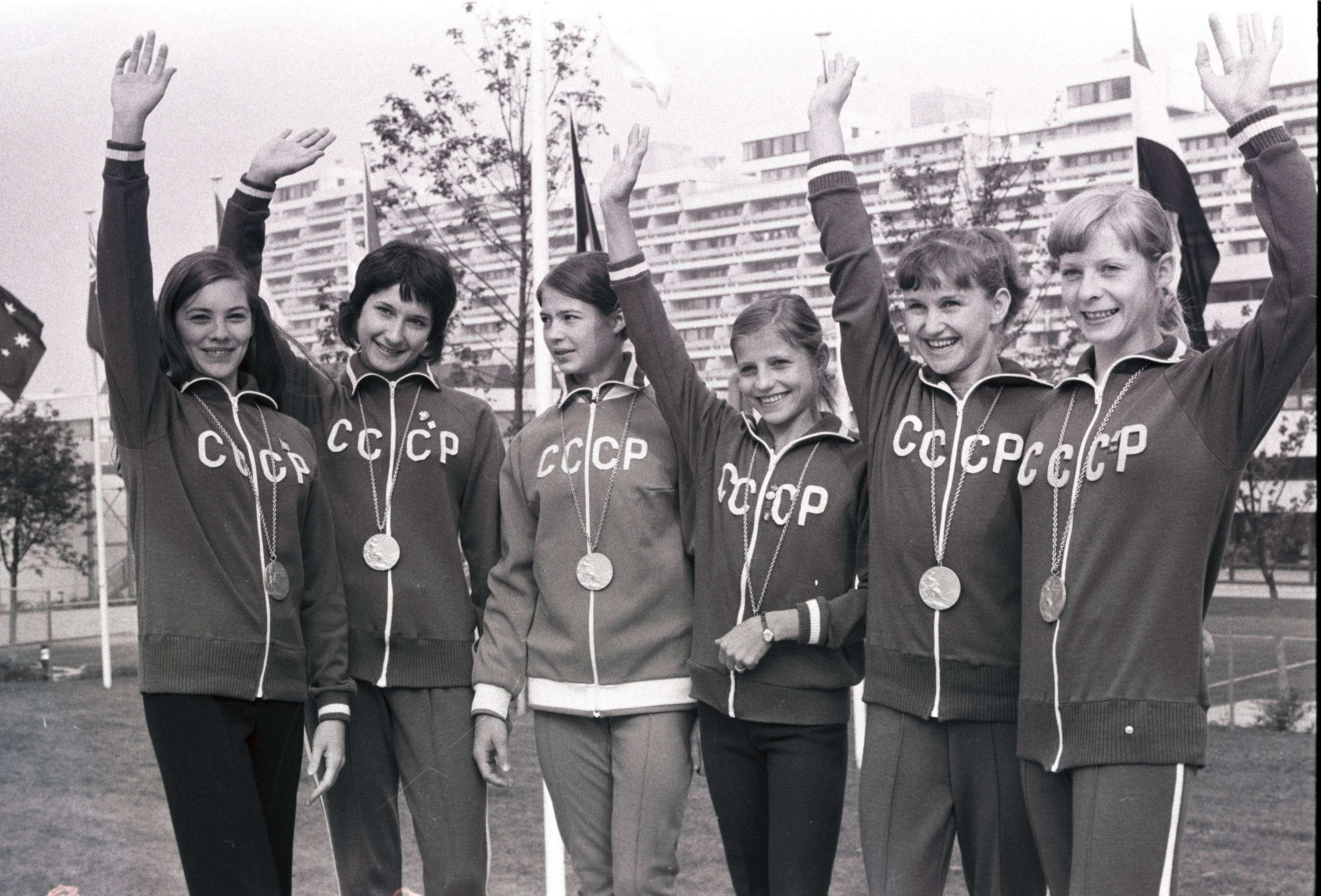
Following the 1968 Olympics Lyubov Burda finished 5th or better in 60% of all AA Finals and Event Finals in every Olympic and World Championships level competition that were held. But only once did any of those top finishes result in a medal, and even then she tied for bronze. Lyubov Burda clearly had immense talent, but the abnormally strong top-4 of the era combined with an unfavorable competition schedule made winning medals almost impossible.
The irony of her granddaughter Aleksandra Andrianova being a Junior European Champion is that Burda herself never had the opportunity to compete at the European Championships. Nor was Burda ever entered into the major international junior competitions of the day. Burda’s unconventional rise up the Soviet program led to her being one of the few Soviet gymnasts who never had a conventional junior career.
Burda retired after competing the 1973 season. Despite being a 2x Olympian and a child prodigy, she had only three total appearances in major, international competition and no international junior appearances at all. In 1975 the World Cup was established, in 1977 the European Championships stopped limiting programs to only 2 gymnasts per country, in 1978 the Junior European Championships were created, and in 1979 the World Championships was moved from a 4-year to a 2-year schedule. Burda only narrowly missed the cut on so many scheduling changes that would have helped her.
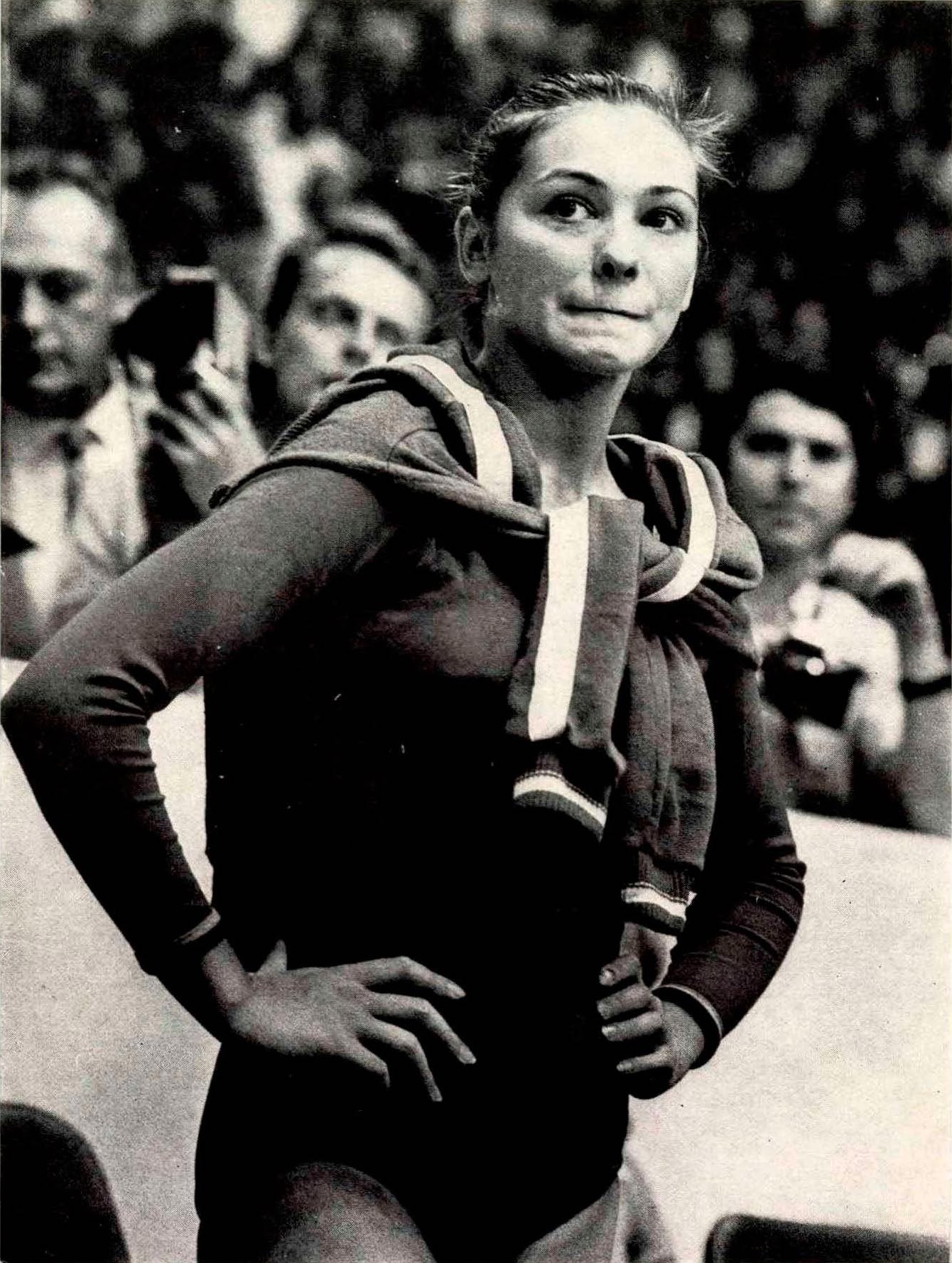
6) An ironic legacy
Lyubov Burda is currently one of the most influential administrators within the sport. Since 2005 she has been a member of the 8-person Women’s Technical Committee (WTC). Burda has held that position for 21 years, more than twice as long as any other current member. She has 21 years of seniority on a committee where everyone else has a combined seniority of 29 years.
It is for this detail of her career that Burda is a name younger fans recognize. They know of her due to her status as one of the most important administrators within the sport. Burda is also famous for having been married to the most successful Olympian on the men’s side of the sport.
But the irony is that Burda had two Olympic medals when she married Nikolai Andrianov who was by that point in his career a 3x Olympic medalists. The other 12 medals of his career occurred only after the two were married. She didn’t marry into a sports dynasty, it became one after they were married.
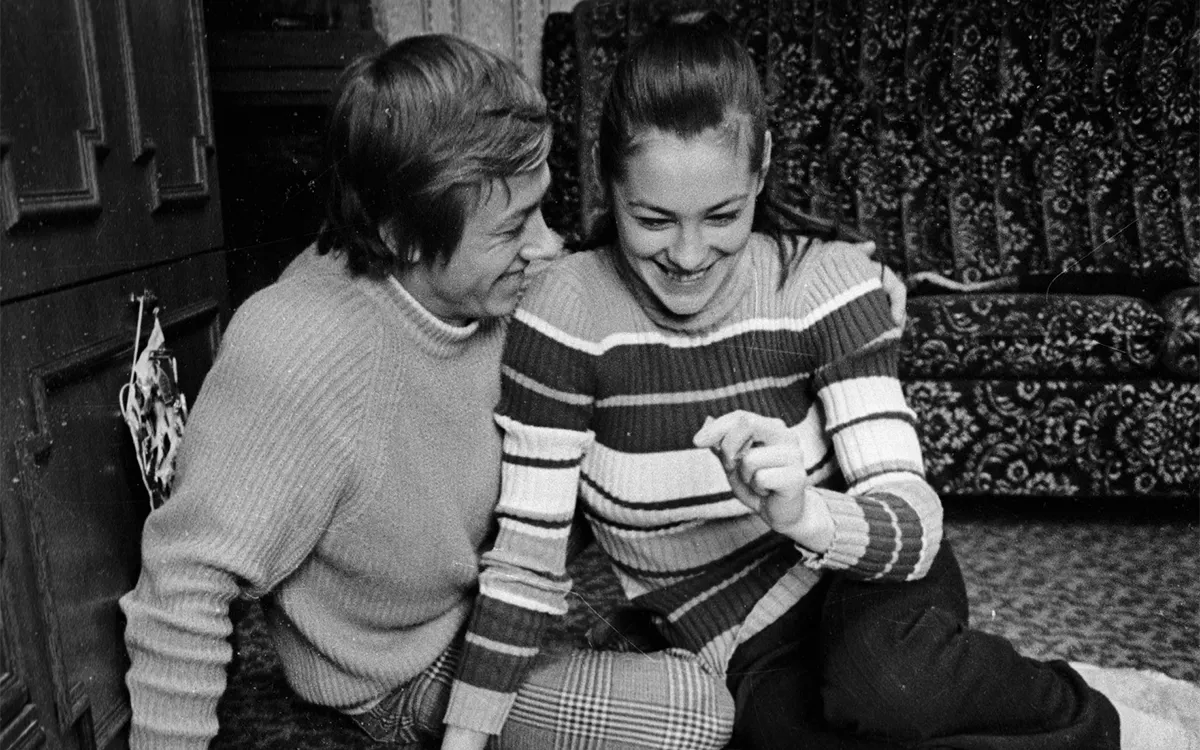
Lyubov was inducted into the Hall of Fame in 2001, being inducted before Karin Janz, Erika Zuchold, and Natalia Kuchinskaya. Larissa Petrik, Olga Karaseva, Tamara Lazakovich and Zinaida Voronina have yet to be inducted. These were all gymnasts from the same era as Burda who had superior medal counts and beat Burda in most of their head-to-head matchups. And yet it is the gymnast who repeatedly lost to all of them and didn’t win as many medals that was inducted first.
The fact she was inducted a few years before her current stint as a WTC member adds creditability to her being inducted on her merits as an athlete rather than it being favoritism towards a powerful administrator. Between her family and administrative connections it is easy to understand why the fairness of the induction can be questioned by outsiders.
But in this case the Hall of Fame got it right.
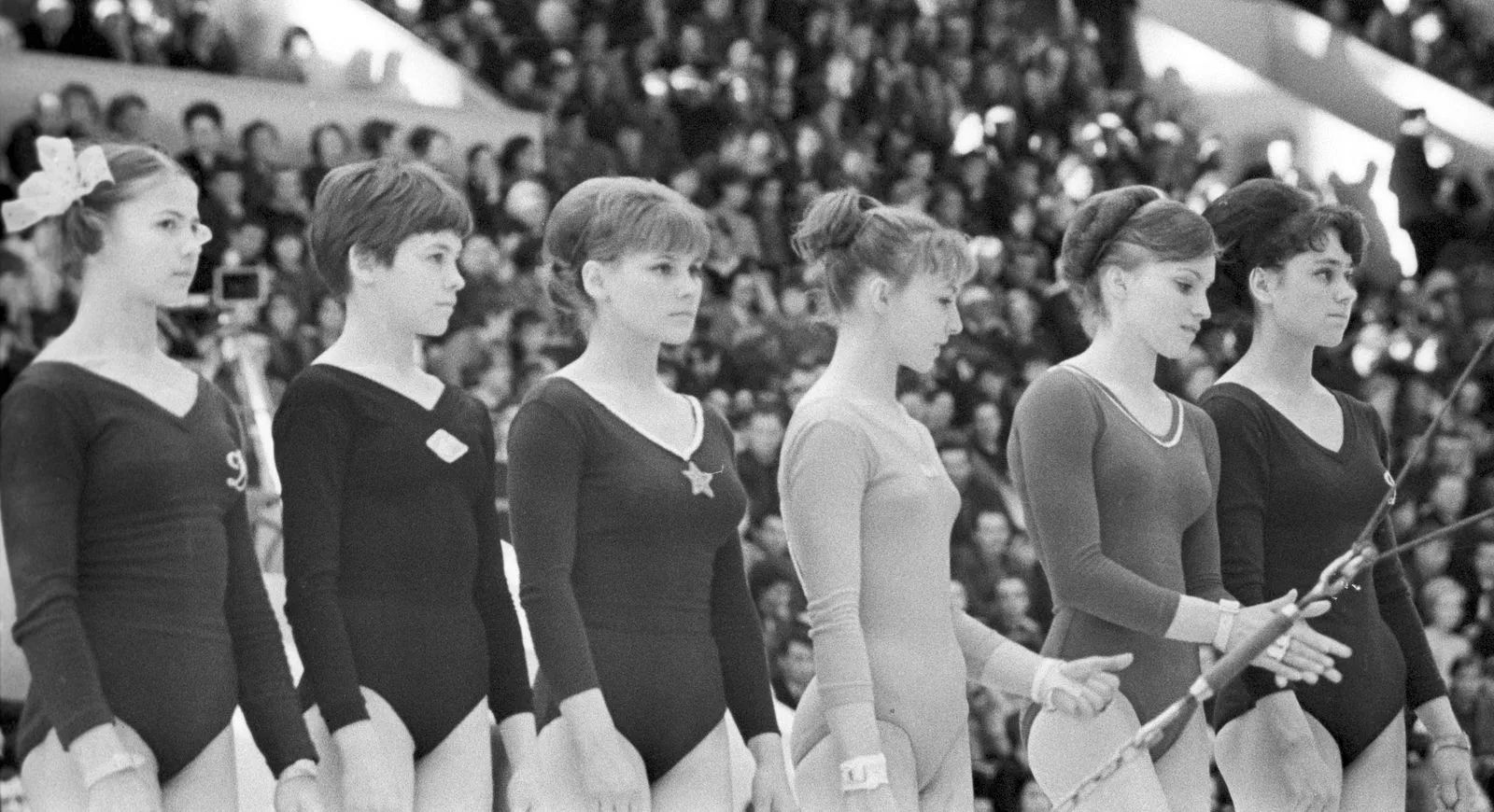
Olga Korbut, Nadia Comaneci, and Natalia Yurchenko are the three Cold War era gymnasts whose names will never fade into obscurity. They are the three gymnasts who had the greatest impact in the development of modern gymnastics and Lyubov Burda was a direct predecessor to all three and the traits they were famous for.
Nikolai Andrianov’s legacy can be explained in a single sentence, he won 15 medals and is the most decorated men’s gymnast of all time. Lyubov Burda has an amazing legacy as well, but it can’t be summed up by looking at her medal count. For Aleksandra Andrianova she has a grandfather who is the most decorated Olympic men’s gymnast of all time and a grandmother who was the ultimate trendsetter that made modern gymnastics possible.